Co-marketing outreach for SaaS: pitch webinars and guides
Co-marketing outreach for SaaS works best when you pick a clear topic, share the promo load, and agree on success metrics that stay honest.
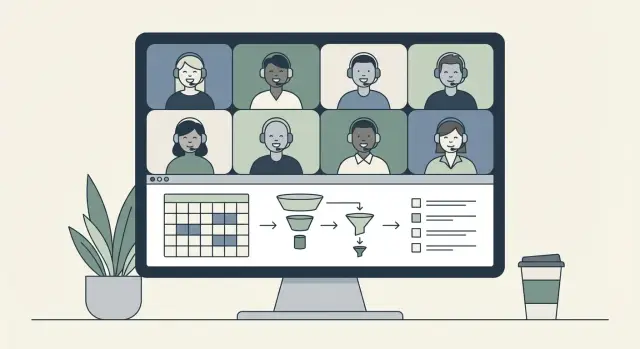
What makes co-marketing outreach hard (and fixable)
Most co-marketing pitches get ignored because they read like extra work with unclear upside. A busy partner scans for three things fast: is this relevant to my audience, will it hurt my brand, and how much time will it take. If your email doesn’t answer those in a few lines, it’s easy to skip.
Partners also worry about risk. Sending to their list is a trust move, so they think about list fatigue, unsubscribes, and whether your message sounds too salesy. They may also worry about brand fit ("Will this make us look off-topic?") and follow-through ("Will we end up doing all the work?").
A strong pitch makes saying yes feel safe and simple. It offers a clear topic, a realistic workload, and a specific plan for who does what. It also shows you’ve thought about audience overlap, not just lead volume.
Before you contact anyone, lock a few basics so you don’t overpromise: a plain-language topic and who it’s for, a format (webinar, guide, workshop) with a rough length, and a draft split for both work and promotion. Decide one or two outcomes you’ll measure, and keep them modest.
For example, if you’re inviting a complementary SaaS to co-host a webinar, propose one practical use case and a simple plan: a shared outline, one rehearsal, and a defined number of promo touches each. That clarity is what turns a cold pitch into a real conversation.
Choosing the right partner for a joint webinar or guide
The fastest way to waste a month is picking a partner because the logo looks big, not because the audiences actually match.
Start with a simple partner profile: strong audience overlap, a clear adjacent use case, and zero direct competition. Adjacent means your product and theirs are used by the same person, in the same week, for different steps of the job.
A good-fit partner usually shares your target role and company size, complements your workflow (a CRM, analytics tool, scheduling, onboarding, billing, or support), and has a similar brand tone (no “magic results” promises). They also need a real ability to promote, and a reason to do something now (a launch, a push into a new segment, a new report).
You can validate fit using only public info. Scan their website copy for who it’s for, review a few recent posts or webinars to see what topics they stick to, and check whether they’ve done partner sessions before. If you see a pattern of cancellations, vague announcements, or no follow-up content, assume execution will be hard.
Watch for red flags: mismatched audiences (enterprise CIOs vs scrappy founders), a partner that wants a lead dump instead of shared value, or a team that takes weeks to answer basic questions.
Build a shortlist of 10 to 15 partners, then narrow to 3 to 5 based on speed and fit. If you run a cold email platform like LeadTrain, a natural partner is a CRM or meeting scheduling tool whose users want more booked calls, not another outbound email product.
Picking a topic that benefits both audiences
The topic should start with a shared customer problem, not a feature tour. If it sounds like “our product + their product,” many partners will worry it turns into a sales call.
A simple way to find overlap is to write one sentence both teams can agree on: “Our audiences struggle with X, and we can help them get to Y.” Then build the session or guide around the steps to reach Y, with each company contributing real examples.
Three topic angles tend to work because they teach something useful and stay neutral:
- How-to: a clear process someone can follow in a week.
- Playbook: decisions, templates, and what to do in common scenarios.
- Teardown: a before/after review of a real (anonymized) approach and how to improve it.
Format matters, too. A webinar is easier when you want interaction and faster shipping (one deck, one run-through). A guide is better when you need screenshots, checklists, careful wording, and something that keeps driving leads after launch.
To keep the topic fair, pressure-test your outline:
- Does each partner get equal teaching time (not equal logo time)?
- Can the audience benefit even if they never buy anything?
- Are examples split across both workflows, not just one?
- Is there one shared takeaway, not two separate pitches?
Example: instead of “How to use LeadTrain with Partner X,” propose “A practical outbound + nurture system for small SaaS teams: finding targets, writing emails, handling replies, and handing off to the right next step.” Each partner owns a chapter of the process, and the audience wins either way.
Step-by-step: how to write the pitch and get a reply
A good pitch is short, specific, and easy to say yes to. Your goal isn’t to sell the whole webinar or guide in the first message. It’s to earn a 15-minute chat.
Keep the first email focused on four parts: one clear ask (format included), a quick value statement for each audience, a small honest proof point, and a simple next step.
Offer 2 to 3 topic options so they can choose instead of brainstorming from scratch. Make them narrow and practical, like “How to reduce no-shows after a demo” rather than “Growth strategies.” Add a light time estimate so it feels manageable: “45 minutes live + 30 minutes prep each,” or “We draft the outline, you review once.”
When you propose dates, give a small window and permission to say no. “Would Tue or Thu next week work? If not, tell me what week is better and I’ll adapt.” Confident, not pushy.
Here’s a simple pitch you can adapt:
Subject: Joint webinar idea for [their audience]

Hi [Name] - I’m [You] at [Company]. Want to co-host a 45-min webinar for [audience]?

Topic options:
1) [Option A]
2) [Option B]
3) [Option C]

Why it’s worth it: your audience gets [benefit], ours gets [benefit].
Proof: we typically reach about [range] in similar sessions.

Open to a quick 15-min chat? Tue or Thu afternoon works for me, but happy to adjust.
Skip big promises (“we’ll drive 500 leads”). Be concrete, modest, and easy to schedule.
Agreeing on roles, workload, and promotion split
Most partnerships don’t fail because the idea is bad. They fail because both sides assume the other team will “handle it.” Write down the boring details early.
Start by naming owners for each part of the project, not just the company responsible. For a joint webinar, you usually need a speaker, a moderator/host, someone to own content (landing copy and recap), a design owner (slides and one promo visual), and an ops owner (registration, reminders, exports).
Then decide how you split promotion. “Fair” isn’t always 50/50. It should match real reach and effort, and it needs to be spelled out as actions, not intentions. You might do an equal split (same number of sends), a weighted split (bigger list sends more, smaller list contributes more content), a channel split, or an asset-based split.
Also agree on registration and lead capture before you launch. Be specific about what data you collect (name, email, company, role), where it lives, and whether both teams get access. If you’re sharing leads, define rules like: only people who opted in, and no importing into a sales sequence on day one.
Finally, map follow-up. Decide who sends the thank-you email, who sends the recording or download, and what the next step is (book a demo, read a related guide, or a soft “reply if you want the checklist”). One clean follow-up plan protects trust and makes the partnership easier to repeat.
Defining success metrics without overpromising
A joint webinar or guide can create real wins, but only if you measure the right things. The fastest way to damage trust is to promise pipeline you can’t control.
Align on what you can influence (reach, engagement, qualified conversations) and treat revenue as a possible outcome, not a guarantee. Success might mean net-new leads, getting in front of the right accounts, learning what messaging works, or building credibility with a shared audience.
Pick 3 to 5 metrics you can measure reliably, and keep definitions simple:
- Registrations or guide downloads (unique people)
- Attendance rate or read depth
- Engagement (questions asked, poll responses, replies to follow-up)
- Qualified leads (clear criteria like role, company size, or use case fit)
- Meetings requested or booked (counted the same way by both teams)
Avoid “we’ll deliver 200 SQLs.” Use ranges and assumptions: “We expect 80 to 150 registrations based on past webinars. Of those, 20 to 40% may attend. We’ll aim for 10 to 25 leads that match the agreed fit criteria.” Put lead quality in writing (example: “US-based B2B SaaS, 11 to 200 employees, Sales or RevOps titles”).
Decide how results will be shared and when. Agree on a short reporting window (like 7 and 30 days after the event), who sends the recap, and what data will be included. If you’re using an email platform that classifies replies (for example, separating interested from out-of-office and bounces), your report will be closer to reality and easier to compare across campaigns.
Planning the timeline and assets
A clear timeline keeps a partner project from dying in the details. It also makes the ask easier to accept because the work is defined and time-boxed.
A simple 2-4 week timeline
Most joint webinars and short guides fit into a tight window if you keep decisions early and production late:
- Days 1-3: confirm topic, format, speaker/author, and owner for each deliverable
- Week 1: draft landing copy and outline
- Week 2: build the core asset and start collecting registrations
- Week 3: run promotion, finalize talking points, and do a short rehearsal or read-through
- Week 4 (optional): deliver, publish the recording or final guide, and send follow-ups
Don’t skip review gates. Put two checkpoints on the calendar upfront: one for the outline (easy to change), and one for the near-final asset (only polish changes). A simple rule helps: approvals within 48 hours, or it’s assumed approved.
Asset checklist
Keep assets short and reusable so neither side feels buried:
- Landing page copy (headline, bullets, short bios, CTA)
- 2 to 3 promo emails per partner
- A handful of social posts per partner
- Webinar slides or guide PDF (plus a one-page summary)
- Follow-up email (recording/guide, key takeaways, next step)
Backup plan: if one side misses a deadline, ship a smaller version. For a webinar, shorten to a 25-minute talk plus Q&A. For a guide, publish a 3 to 5 page playbook now and add an expanded edition later.
Delivering the webinar or guide without it feeling salesy
This only works long-term if the audience leaves feeling helped, not pitched. The easiest rule: teach first, sell last, and only if it answers a question they already have.
A webinar that feels like a class
A clean run-of-show keeps everyone honest. Start with a quick welcome and set expectations: what they’ll learn and who it’s for. Spend most of the time on practical examples, then mention tools only when they remove a step.
Keep product talk limited with a few guardrails: mention products only when they support the lesson (not as the lesson), show one workflow (not ten features), use neutral language (“one way to do this is...”), and save pricing and demos for follow-up.
Example: if the topic is “How to improve cold email replies,” teach segmentation, deliverability basics, and follow-up timing. Then, in a short segment, one partner shows how they handle warm-up and reply sorting (LeadTrain can classify replies like interested, not interested, or out-of-office), while the other shows how qualified replies move into their system.
A guide that reads like a playbook
A guide feels less salesy when it reads like a step-by-step playbook: clear outcomes, simple steps, templates, and common mistakes. Put the core advice in the main body. Keep product references in optional sidebars like “Example tool setup” so readers can skip them.
After the event or launch, repurpose the content in ways both partners can use: a short recap, a few takeaways, a trimmed Q&A, and a checklist version. That creates useful assets without turning the original into an ad.
Common mistakes that hurt partner trust
Partner trust is the real currency here. You can recover from a slow launch, but it’s hard to recover from a partner feeling surprised or used.
One of the fastest ways to break trust is treating email lists like trading cards. “List swaps” or a surprise blast to the other company’s subscribers without clear, written consent can create complaints, unsubscribes, and awkward internal fallout. A safer pattern is: each partner emails their own list, using copy both sides approved, and you only share aggregate results.
Another trust-killer is a topic that sounds like marketing. If the title could be a product page headline, it will land as self-serving. A good test: can you explain the value in one sentence without naming either product?
It also backfires when the first ask is too heavy. If your initial message includes a 12-week plan, a 30-slide deck, and “you handle all promotion,” you’ve already lost. Start small: one 30-minute webinar or a short guide, with a clear split of tasks.
Four mistakes that often show up together:
- Emailing each other’s lists or exporting contacts without explicit approval
- Proposing a fuzzy topic that promises “growth” but no specific outcome
- Asking for too much work before agreeing on scope
- Failing to define what happens to leads after the event
That last point matters more than people think. If attendees download a guide, who follows up, how soon, and with what message? Keep it clean: each partner follows up only with their own leads, and any shared form clearly states what will happen.
If you run outbound tools like LeadTrain, apply the same discipline here: get consent, agree on messaging, and write follow-up rules down before anything goes out.
Quick checklist before you send the outreach
Most of the work happens before you hit send. Do the thinking upfront, and your pitch reads confident, your partner feels safe saying yes, and you avoid awkward backtracking later.
Start with fit: clear audience overlap, similar customer type, and no direct competition. If you can’t explain in one sentence why their audience benefits, pick a different partner.
Have the topic and format ready before you write. Pick a simple promise like “help people do X in Y time,” and prepare two backup angles so the partner can choose without doing homework.
Before sending, sanity-check the basics:
- Fit: you can name the shared audience, and you’re not selling the same core product
- Topic options: one primary idea plus two alternates
- Clear split: who creates what, who hosts, who writes, who designs, who handles follow-ups
- Promotion plan: what each side will send and by when
- Ownership: one person on your side is responsible for decisions and deadlines
Do a quick “no overpromises” pass. Decide what you’ll measure (registrations, attendees, downloads, meeting requests) and what you won’t guarantee (pipeline, revenue). Confirm how you’ll report results back to the partner, and when.
Small example: for a joint webinar, agree upfront who owns the landing page, who exports the attendee list, and what “shared leads” means (for example, only people who opt in). Tools like LeadTrain can help you run the partner outreach sequence and keep replies organized, but the real win is having the details settled before the first email goes out.
Example scenario: a realistic joint webinar plan
LeadTrain (cold email) teams up with a lightweight CRM built for small sales teams. Their buyers overlap: SDR leads, sales managers, and solopreneurs who need more meetings without adding more tools.
They agree on a topic that fits both products: “From first cold email to booked meeting: a practical reply-to-meeting workflow.” The promise stays modest. Attendees leave with a repeatable process and a few copy-and-paste templates, not “double your pipeline in 30 days.”
Here’s a simple split:
- LeadTrain: outreach list criteria, two email invites to its newsletter segment, and a short segment on handling replies and follow-ups
- CRM partner: registration page copy, calendar integration for booked meetings, and a short segment on handoff to the pipeline
- Both: two social posts each, one reminder email each, and shared speaker prep (30 minutes)
In week 1, they track early signals: registration rate per channel, cost in team hours, and the percentage of replies that are “interested” vs “not now.” They also watch negative signals (unsubscribes, spam complaints) so they can pull back quickly.
By week 4, they focus on outcomes they can measure without stretching the truth: show-up rate, meetings booked from attendees, and how many people requested a follow-up.
Follow-up is permission-based. Anyone who engaged gets the recording and a one-page checklist. Only people who replied “yes” to more help get a short, non-pushy note offering a 15-minute consult or a tailored template.
Next steps: make co-marketing outreach repeatable
Treat each partnership like a small experiment you can run again. After your first good run, capture what worked while it’s fresh.
Turn your best pitch into a template you can reuse. Keep it short and leave room to personalize the partner-specific parts (their audience, their angle, the shared outcome). Include: a specific reason you chose them, 2 to 3 topic options with clear takeaways, a simple promotion split, what you’ll do to reduce their workload, and a light definition of success (plus what you’re not promising).
Build a small partner pipeline so you’re not scrambling when you need a webinar or guide. Aim for 10 to 20 potential partners, and use a simple follow-up cadence: one initial email, one reminder a few days later, then a final close-the-loop note. If there’s no response, move on without burning the relationship.
After every run, create a lightweight reporting doc and save it in one place. Keep it easy to fill out in 15 minutes: partner, offer, agreed metrics, promotion activity, results, and notes on what to repeat and what to change.
If you recruit partners through outbound email, an all-in-one platform like LeadTrain can also reduce the setup and inbox chaos by consolidating domains, mailboxes, warm-up, multi-step sequences, and reply classification in one place (leadtrain.app).
FAQ
Why do most co-marketing outreach emails get ignored?
Most pitches look like extra work with unclear upside. Make the first message answer three things fast: why it’s relevant to their audience, how you’ll protect their brand and list, and exactly how much time you need from them.
How do I choose the right partner for a joint webinar or guide?
Pick the partner whose users look like your users, but who solves an adjacent step in the same workflow. If you can’t describe the shared audience and the shared problem in one plain sentence, it’s not a good match yet.
How can I validate partner fit without a long back-and-forth?
Check public signals that execution will be smooth: who they speak to on their site, what topics they repeat, and whether they’ve promoted partner content before. If they move slowly on simple questions or their past promos look inconsistent, assume your project will drag too.
What makes a co-marketing topic feel fair to both sides?
Start from a shared customer problem, not “our product plus your product.” A good topic promises a practical outcome the audience can get even if they never buy, and it gives both sides a fair role in teaching instead of taking turns pitching.
What should I include in the first outreach email?
Keep it short and aim for a 15-minute chat, not a full commitment. Include one clear ask with the format, two or three narrow topic options, a realistic time estimate, and a simple scheduling next step that’s easy to say yes or no to.
What “proof” should I share without overpromising results?
Use one honest proof point that reduces uncertainty, like your typical registration range, audience size, or past session format. Avoid big promises; modest expectations build trust and make follow-up conversations easier.
How do we split promotion so it doesn’t get awkward later?
Agree on owners and actions, not vague intentions. “Fair” means the split matches real reach and effort, and it’s written down as specific sends or posts with dates so neither side quietly does all the work.
How should we handle lead sharing and follow-up rules?
Default to each partner emailing their own list with mutually approved copy, and share only what attendees explicitly opted into. If you do share contact data, define what fields are shared and set clear follow-up limits so people don’t get dumped into aggressive sequences.
What success metrics should we agree on for a joint webinar or guide?
Pick metrics you can control and measure the same way, like registrations, attendance rate, engagement, and meetings requested. Treat revenue as a possible outcome, not a guarantee, and write down simple qualification criteria so you’re not arguing about lead quality after launch.
What timeline should we plan for, and how do we keep it from feeling salesy?
A simple 2–4 week plan works for most teams if you set two review checkpoints early: one for the outline and one for the near-final version. Keep the delivery educational by teaching the process first and mentioning tools only when they remove a step, like using LeadTrain to warm up mailboxes or classify replies so follow-up stays organized.